Whale Watching in Trincomalee: Best Season and What to Expect
Shehan De Silva
Travel Writer
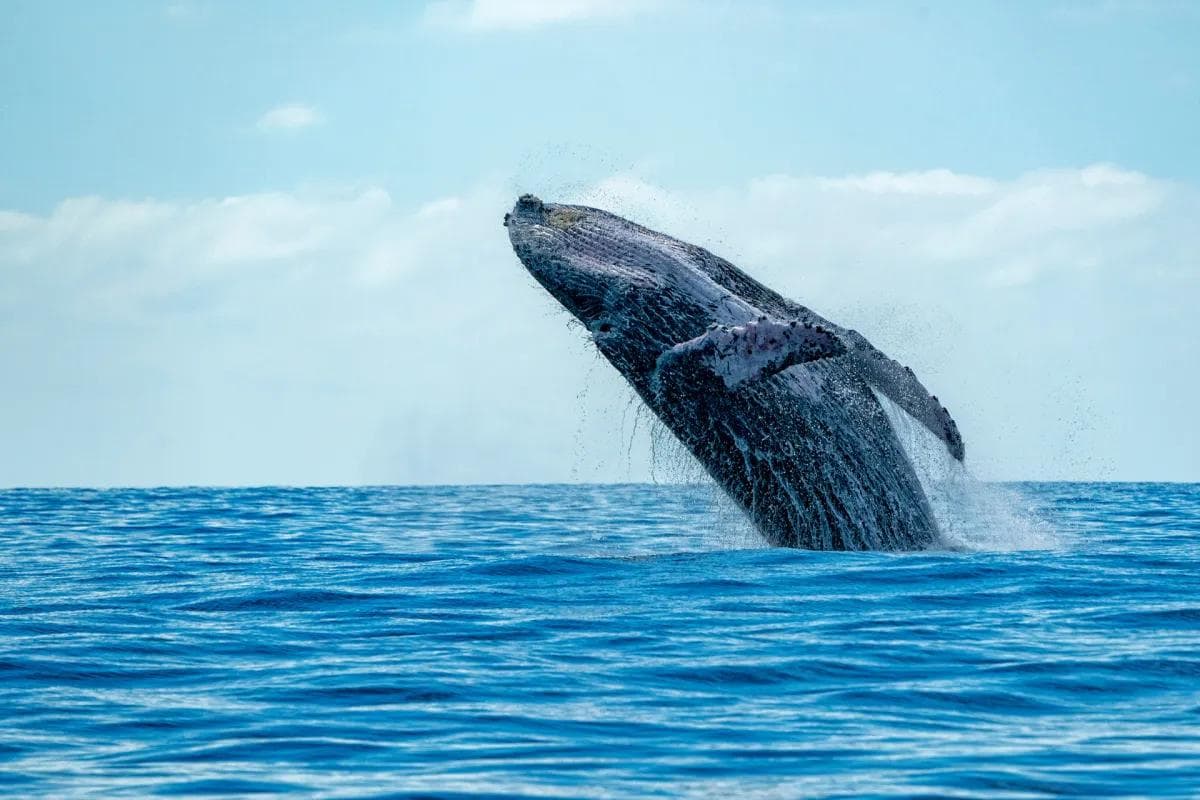
Imagine a creature the size of a Boeing 737 rising silently from the deep blue water just meters from your boat. Its breath shoots 30 feet into the air with a sound like a cannon blast.
This isn't a scene from a documentary. This is a regular Tuesday morning in Trincomalee.
While Mirissa in the south gets all the fame, Trincomalee in the east is arguably the better spot for serious whale watchers. Why? Because the submarine canyon (a deep underwater trench) runs closer to the shore here than almost anywhere else in the world. This means you don't have to sail for hours to find deep water the giants are right on our doorstep.
If you want to see the largest animal to ever live, here is your complete guide to whale watching in Trinco.
The Stars of the Show: What Will You See?
The Indian Ocean off Trincomalee is a super-highway for marine megafauna.
1. The Blue Whale The main attraction. Reaching up to 30 meters in length and weighing 200 tons, they are the largest animals known to have lived on Earth. In Trinco, they are often seen cruising along the canyon edge feeding on krill.
2. The Sperm Whale The deep divers. Famous for their blocky heads and wrinkled skin, these predators hunt giant squid in the pitch-black depths. Seeing a "super-pod" of Sperm Whales socializing on the surface is a rare but possible event here.
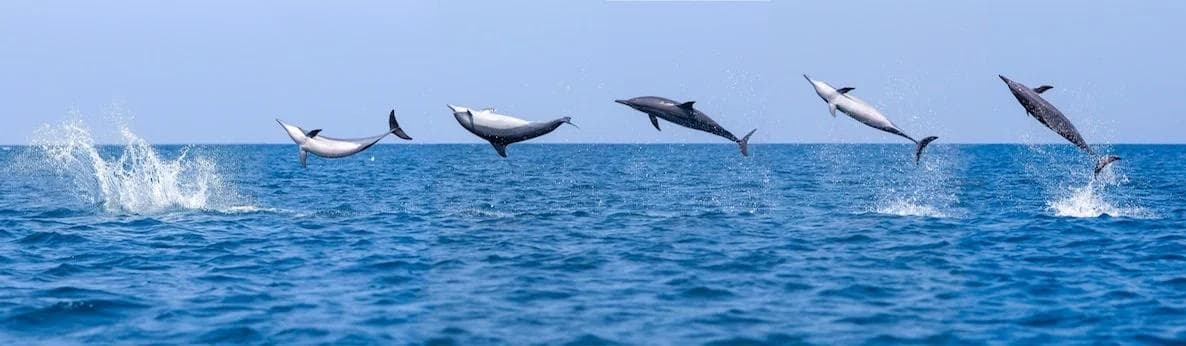
3. Spinner Dolphins The entertainers. You are almost guaranteed to see them. They travel in pods of hundreds and love to "bow-ride" alongside the boats, leaping and spinning in the air (hence the name).
The Crucial Detail: When is the Season?
This is the most important part of this guide. Sri Lanka has two monsoon seasons, so the whales move around the island to find calm water.
- Trincomalee Whale Season: May to September/October.
- Mirissa (South Coast) Season: November to April.
Do not book a whale watching tour in Trincomalee in December or January. The sea will be rough, the boats often won't run, and the whales will be on the other side of the island! The absolute peak months for sightings in Trinco are July and August.
The Experience: What Happens on the Boat?
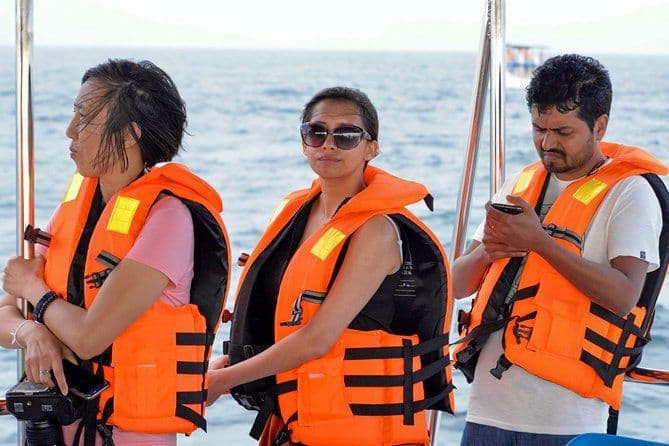
Unlike the south, where huge double-decker boats carry 50+ people, Trincomalee whale watching is more intimate. You will likely be on a small fiberglass boat (6–8 passengers) with an outboard motor.
The Schedule:
- 6:00 AM: Departure. You must leave early as the sea is calmest at sunrise.
- 6:30 AM – 9:00 AM: The Search. The boat captain looks for "blows" (water spouts) on the horizon.
- 9:30 AM: Return to shore.
A Warning on Seasickness: Even when the sea looks calm, the ocean swell can be nauseating if the boat stops and rocks. If you are prone to motion sickness, take an Avomine tablet the night before or 1 hour before the trip.
How Much Does it Cost? (2025 Update)
Prices can vary depending on your negotiation skills and the operator, but here are the benchmarks:
- Private Boat (up to 6 people): 15,000 – 25,000 LKR (approx. $50 - $85 USD total). This is the best option for families.
- Per Person (Shared Boat): 4,000 – 6,000 LKR (approx. $15 - $20 USD).
Tip: Book directly with boat operators on Nilaveli or Uppuveli beach rather than through a third-party agent to get the best price.
A Note on Ethics: Don't Chase the Whales
As tourism grows, so does the pressure on these animals. When booking a boat, ask your captain about their policy.
A good captain will:
Cut the engine when approaching a whale.
Approach from the side, never from the front or rear.
Never "chase" a whale that is trying to swim away.
If your boat driver is getting too close or harassing the animal, don't be afraid to speak up and tell them to stop. We want these gentle giants to keep coming back to Trincomalee for generations.
Our Final Verdict
Is it worth the early wake-up call?
When you see that massive column of mist shoot up from the water, and a back as long as a basketball court breaks the surface, you realize how small we really are. It is a humbling, magical experience that is worth every rupee.
Enjoyed this story? Share it
About the Author
Shehan De Silva
A passionate coastal explorer and travel storyteller dedicated to uncovering the pristine beaches, vibrant coral reefs, ancient temple mysteries, and the rich maritime heritage of Trincomalee — the jewel of Sri Lanka's eastern coast.