The Ultimate Guide to Snorkeling at Pigeon Island National Park

Dinithi Perera
Travel Writer
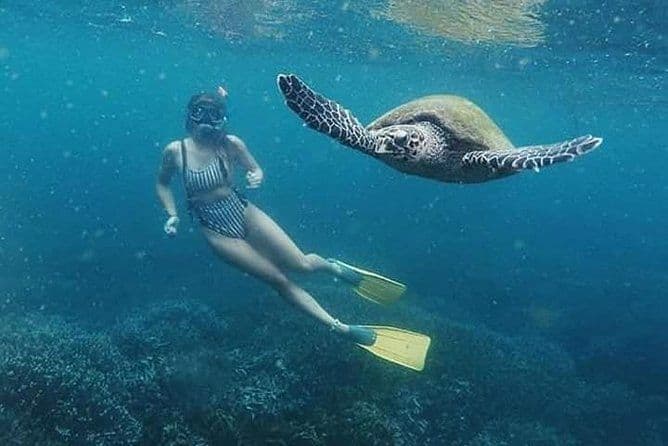
You have heard the rumors. You have seen the Instagram photos. Now you want to know the truth: Is snorkeling at Pigeon Island really worth the hype?
The short answer is yes. In fact, it is arguably the best place in Sri Lanka to see marine life accessible right from the shore.
Located just 1km off the coast of Nilaveli, this marine national park is one of the few places in the world where you can casually swim alongside wild sharks just meters from the beach. It isn't a zoo, and it isn't an aquarium it is the wild Indian Ocean at its finest.
But, like any popular tourist spot, it can get crowded, expensive, and chaotic if you don't plan it right. From ticket prices to avoiding the crowds, here is everything you need to know to have the perfect underwater adventure at Pigeon Island.
What Exactly is Pigeon Island?
Pigeon Island National Park is actually made up of two islands Large Pigeon Island and Small Pigeon Island. The park gets its name from the Rock Pigeons that use the island as a breeding ground, but let's be honest: nobody comes here for the birds.
They come for the coral reef that fringes the "Large" island. This reef is a sanctuary for some of Sri Lanka’s most incredible marine biodiversity. Unlike deep-sea diving, the reef here is shallow (often waist-deep to 2-3 meters), making it perfect for beginners and children.
The Main Event: Swimming with Sharks & Turtles
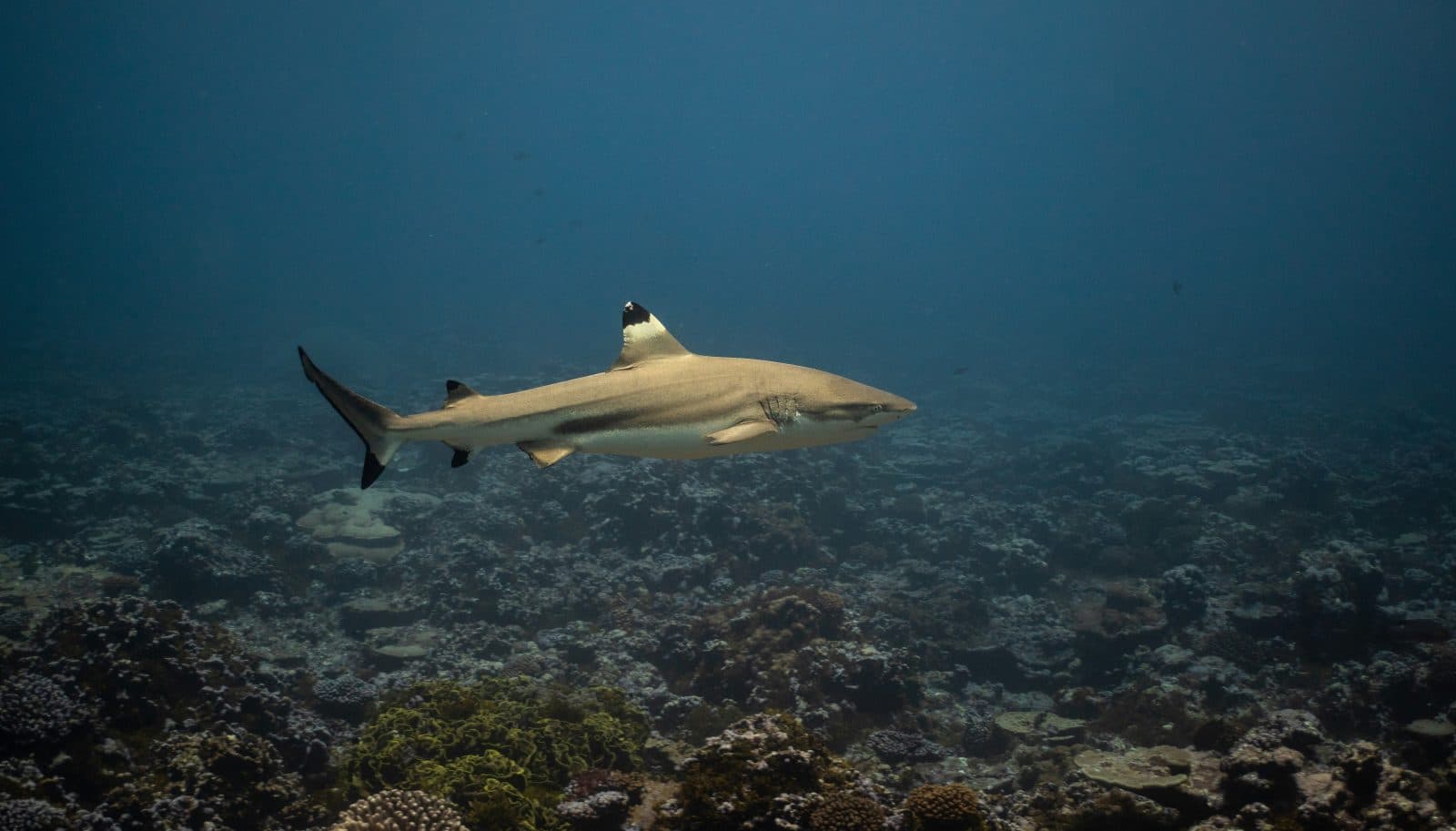
The biggest draw card here is the Blacktip Reef Shark.
If the word "shark" scares you, don't worry. These reef sharks are generally harmless to humans. They are timid, grow to about 4-5 feet, and have no interest in snacking on tourists. You will likely see them cruising through the shallow waters, hunting for small fish. Seeing that iconic dorsal fin slice through the water just a few feet away from your face is an adrenaline rush you will never forget.
What else will you see?
- Sea Turtles: Green Turtles and Hawksbill Turtles are regulars here. They are often found grazing on the seagrass or resting on the coral.
- Colorful Reef Fish: Expect to see Moorish Idols, Parrotfish, Surgeonfish, and Boxfish in the thousands.
When to Go & How to Avoid the Crowds
Timing is everything. Pigeon Island is small, and it can feel claustrophobic if 50 boats arrive at once.
The Season: The best time to visit is May to October. During these months, the sea is calm, and underwater visibility is at its peak. Avoid the monsoon season (November to January) as boats often stop running due to rough seas.
The Golden Hour: Most tourists have a leisurely breakfast and head to the island around 10:00 AM. Do not do this. By 10:30 AM, the water is a "human soup" of life jackets and flailing fins.
- Pro Tip: Be at the ticket counter on Nilaveli Beach at 7:45 AM. Be on the first boat out at 8:00 AM. You will have the sharks and the reef almost entirely to yourself for the first hour. Plus, the morning light is better for underwater photography.
The Practical Guide: Costs & Logistics
This is where many travelers get confused. There are two costs involved: the boat ride and the park entrance fee.
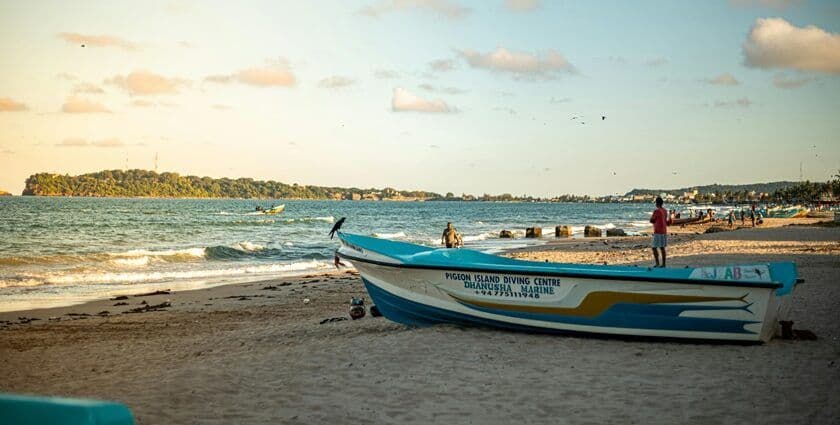
1. The Boat Ride: You hire a fiberglass boat from the Nilaveli beach association.
- Cost: Roughly 4,000 – 6,000 LKR per boat (up to 5 people).
- Duration: The ride takes about 10-15 minutes.
2. The Entrance Ticket (National Park Fee): You pay this at the ticket office on the mainland (Nilaveli beach) before you board.
- Foreign Adults: Approx. $15 – $25 USD (prices fluctuate based on exchange rates and government taxes).
- Locals: A nominal fee (around 100-200 LKR).
- Note: Always check the latest prices at the ticket counter as they change frequently.
3. Equipment Rental: If you don't have your own gear, you can rent a mask, snorkel, and fins from the boat operators or diving centers on Nilaveli beach.
- Cost: Approx. 500 – 1,000 LKR per set.
Important: Snorkeling Ethics
Because the reef is so shallow, it is incredibly fragile. The coral here has suffered from El Niño bleaching events and human damage.
- DO NOT STAND ON THE CORAL. Even if you are tired, float on your back. Standing on coral kills it instantly.
- Do not touch the turtles. It stresses them out and can transfer bacteria.
- Wear Reef-Safe Sunscreen. Chemicals in normal sunscreen can bleach coral.
- Don't feed the fish. It disrupts the natural ecosystem.
Our Final Verdict
Is it expensive compared to other activities in Sri Lanka? Yes. Is it worth it? Absolutely.
Nowhere else in the country offers such easy access to sharks and turtles in clear, shallow water. It is a bucket-list experience. Just remember our golden rule: Go early, respect the reef, and enjoy the wild side of Trincomalee.
Enjoyed this story? Share it
About the Author
Dinithi Perera
A passionate coastal explorer and travel storyteller dedicated to uncovering the pristine beaches, vibrant coral reefs, ancient temple mysteries, and the rich maritime heritage of Trincomalee — the jewel of Sri Lanka's eastern coast.