The Mystery of Kanniya Hot Water Springs: Myth vs. Science
Amelia Rose
Travel Writer
You are in the tropical heat of Trincomalee. The air is 30°C (86°F). The last thing you probably think you want is hot water.
But drive just 8km out of town, and you will find one of Sri Lanka’s most curious natural phenomena: the Kanniya Hot Water Springs.
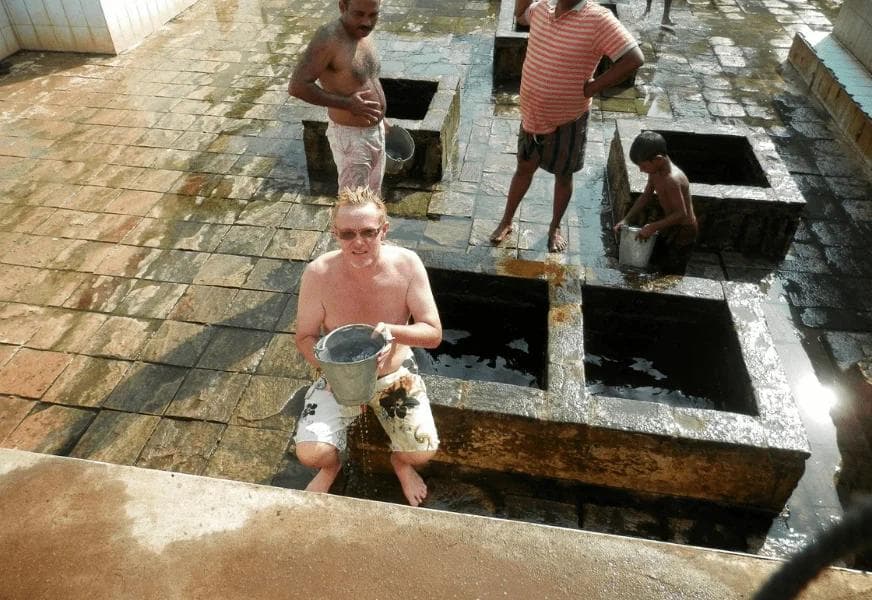
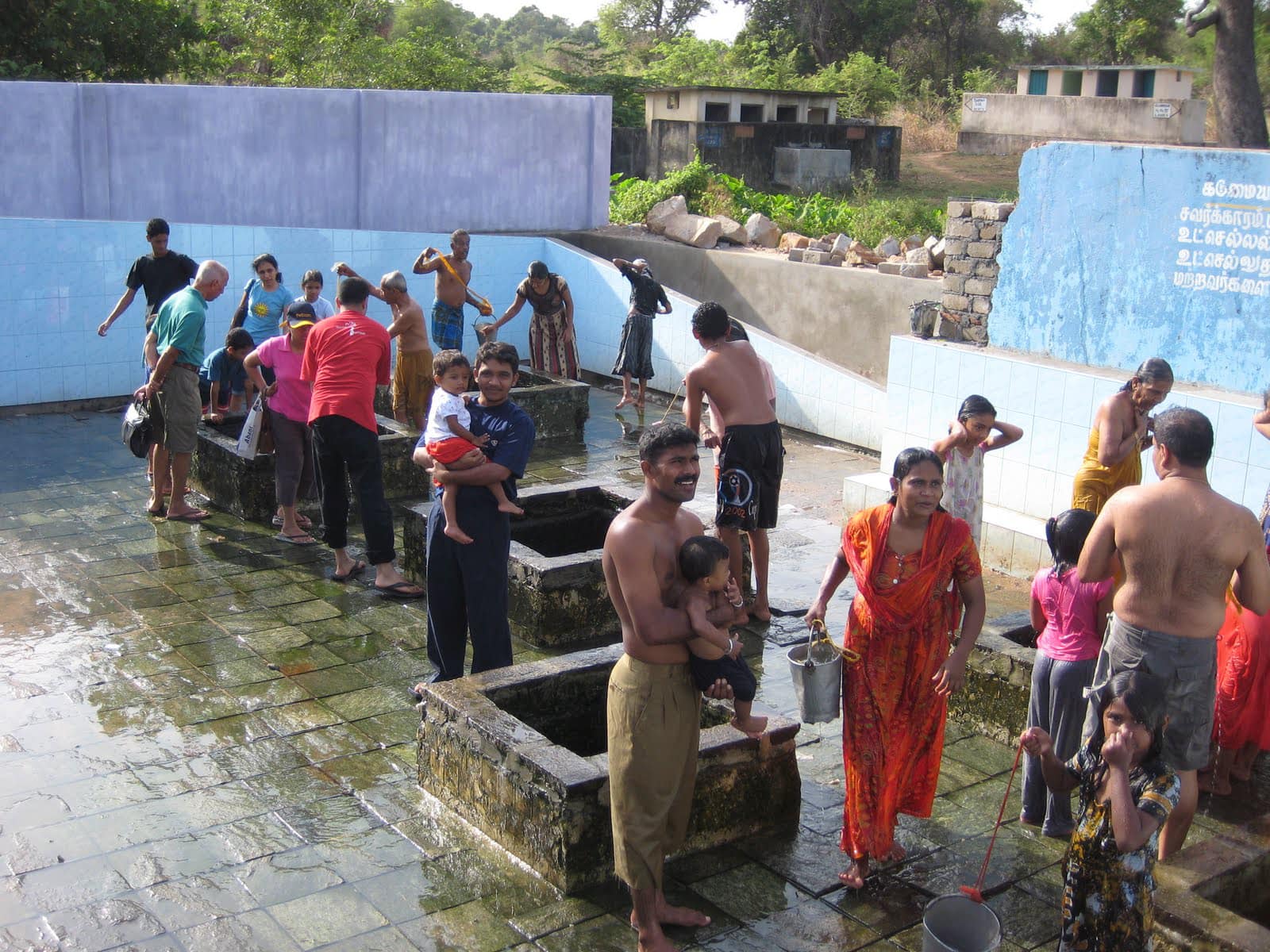
It is a surreal sight. In a small enclosed square, seven wells sit side-by-side. The water in each well is naturally hot, yet the temperature varies from one well to the next, even though they are only feet apart.
Is it a geological quirk? Or is it, as the locals believe, the lingering magic of a mythical king? Here is the story behind the steam.
The Legend: A Son’s Grief
In Sri Lanka, almost every unexplainable natural wonder leads back to one man: King Ravana.
According to the Ramayana legends, Ravana (the powerful King of Lanka) was a devout follower of Lord Shiva. When his mother passed away, Ravana was overcome with grief. He needed fresh water to perform the funeral rites (the Anthima Kriya).
In his anger and sorrow, he struck the ground with his sword in seven places. Immediately, water gushed forth. But it wasn't cold ground water it was hot, said to represent the heat of his anger and the warmth of his love for his mother.
To this day, many locals believe the water has healing powers, capable of curing skin diseases and arthritis.
The Science: Geothermal Secrets
Geologists have a different (though slightly less dramatic) explanation.
The Kanniya springs are part of a geothermal belt that runs through the island. The water is heated deep within the earth's crust by cooling magma rocks and rises through fissures to the surface.
The Mystery of the Seven Temperatures The strangest part is that while the wells are famously said to have seven distinct temperatures, modern visitors often debate this.
- Some wells are lukewarm.
- Some are piping hot (around 42°C / 107°F).
- Some feel surprisingly mild.
The variation is likely due to how the underground channels mix with cooler groundwater before reaching the surface. But why they stay distinct while being so close together remains a marvel of plumbing.
The Experience: The Bucket Bath
If you are expecting a luxury spa where you can soak in a jacuzzi, adjust your expectations! This is a communal bathing site.
How it works:
No Soaking: The wells are square stone pits. You cannot jump inside them.
The Bucket System: You are given (or can rent) a small metal or plastic bucket.
The Rinse: You scoop the water out and pour it over your head.
It is a fast, fun, and communal experience. You will be standing shoulder-to-shoulder with Sri Lankan families, kids splashing around, and elders praying. The shock of the hot water hitting your body in the tropical air is surprisingly refreshing and leaves you feeling incredibly clean.
Important Rules & Etiquette
Because this is an archaeological and cultural site, there are strict rules:
No Soap or Shampoo: You are generally not allowed to use soap at the wells themselves. This is to prevent contaminating the groundwater.
Modest Dress: Do not wear bikinis or speedos. Most locals bathe in shorts and t-shirts or sarongs. For tourists, board shorts and a rash guard or t-shirt are recommended to respect the local culture.
Ticket Price: There is a small entry fee (usually around 100 LKR for locals and slightly more for foreigners).
Our Final Verdict
Kanniya isn't a place you spend all day. It’s a 45-minute stopover.
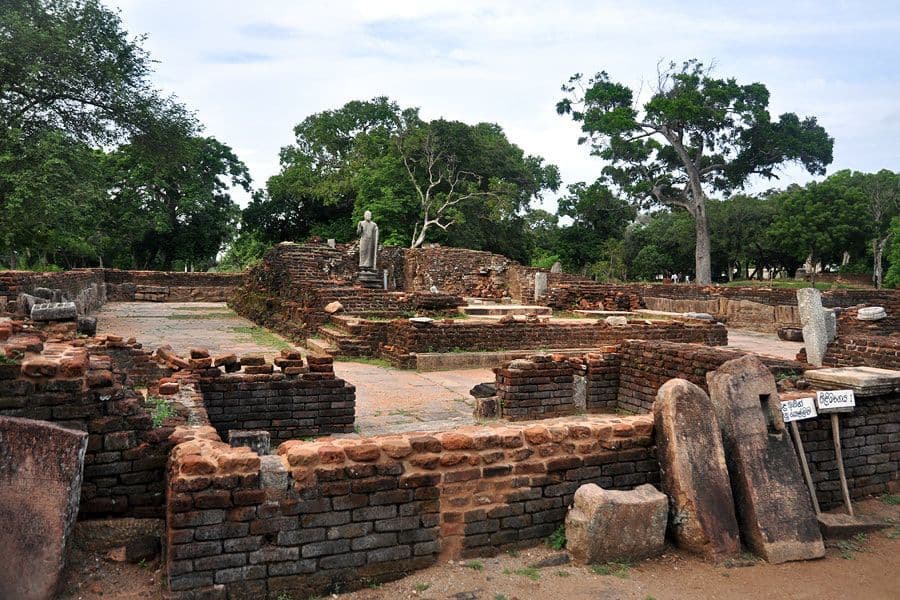
Combine it with a visit to the nearby Velgam Vehera (an ancient temple) or on your way back from Anuradhapura. It is a rare chance to touch history quite literally and wash away the dust of the road with water that has been flowing for centuries.
Enjoyed this story? Share it
About the Author
Amelia Rose
A passionate coastal explorer and travel storyteller dedicated to uncovering the pristine beaches, vibrant coral reefs, ancient temple mysteries, and the rich maritime heritage of Trincomalee — the jewel of Sri Lanka's eastern coast.