Koneswaram Temple: Legend, History, and the Lover’s Leap

Pasindu Bandara
Travel Writer
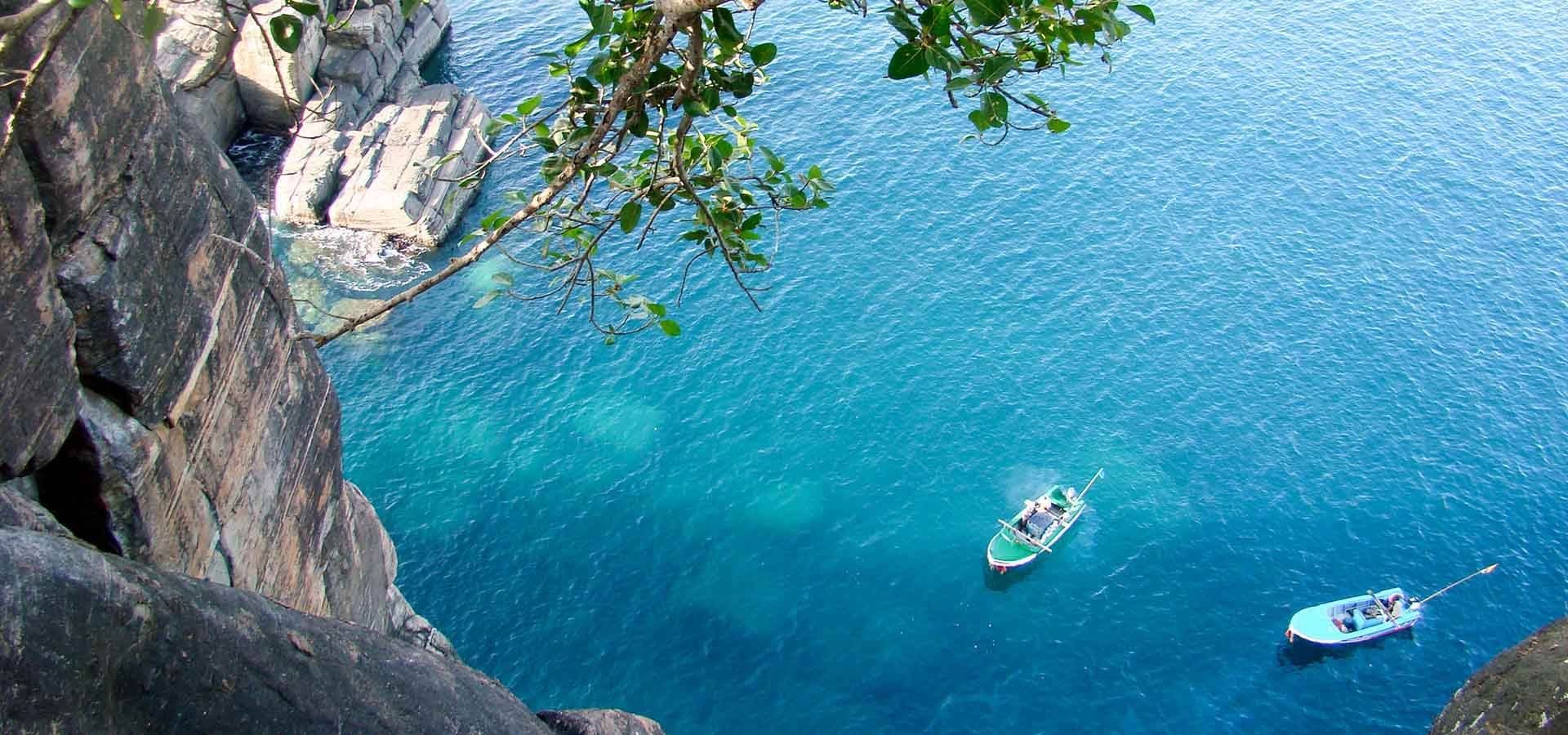
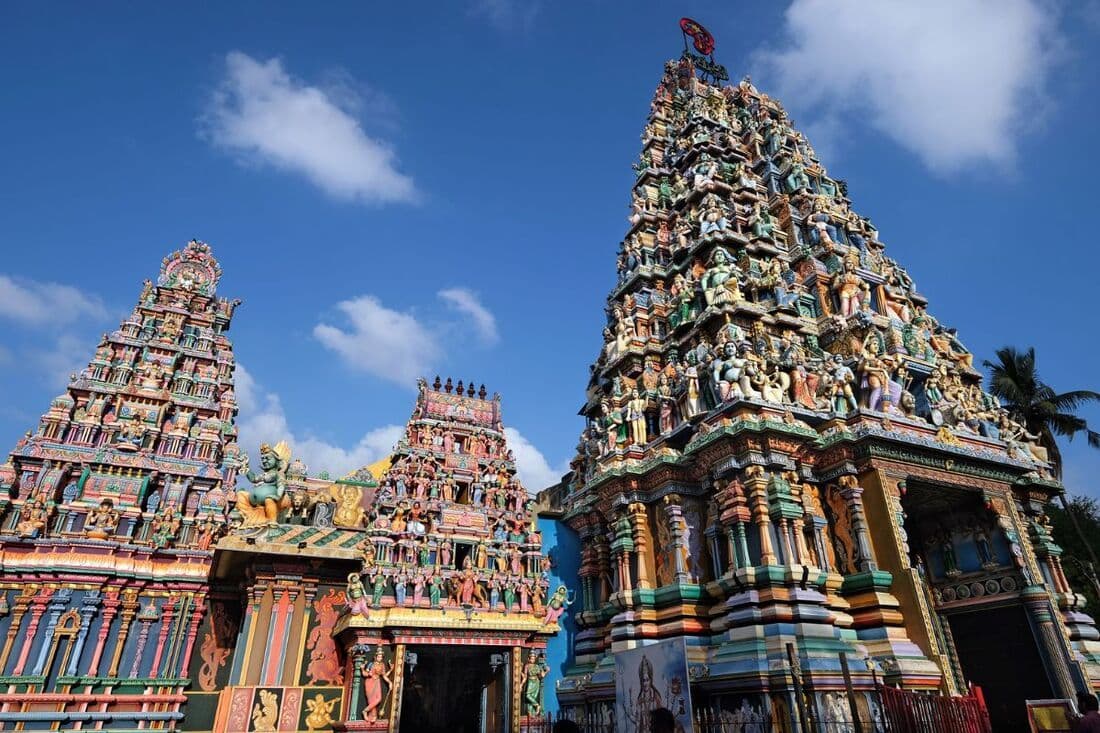
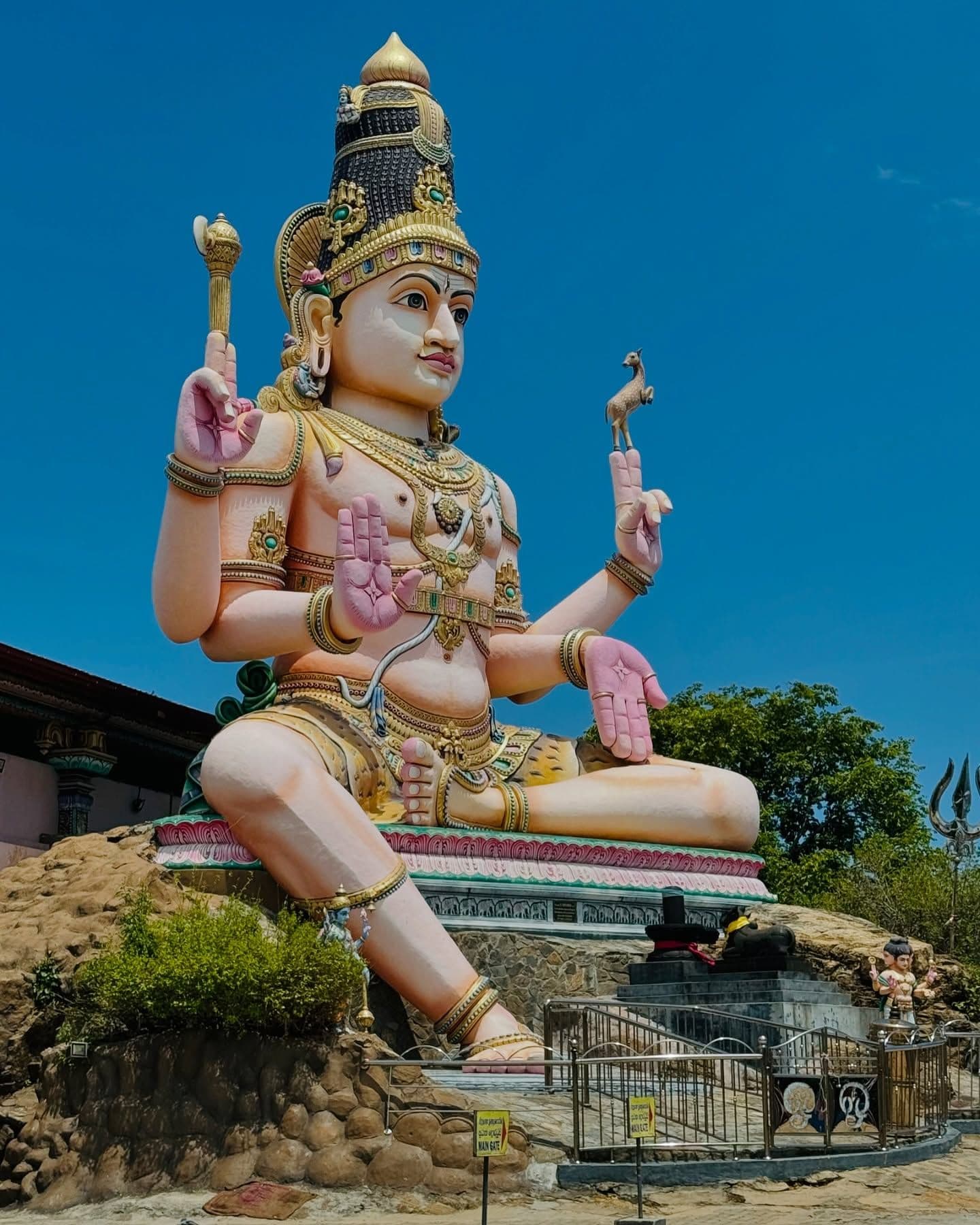
If you have finished the walk through Fort Frederick (see our previous guide), you have reached the summit of Swami Rock. Here, perched 400 feet above the Indian Ocean, stands one of the most significant spiritual sites in all of Asia: The Koneswaram Temple.
Often called the "Rome of the Gentiles" by early explorers, this temple isn't just a place of worship; it is a monument to resilience. It has been built, destroyed, submerged, and rebuilt over thousands of years.
Whether you are here to pray, to learn history, or simply to see the view that made the world’s mapmakers stop and stare, Koneswaram is the crown jewel of Trincomalee.
The Legend of Ravana & The Cleft Rock
Before you even enter the main shrine, walk to the side of the cliff. You will see a deep, unnatural fissure or crack running through the granite rock face.
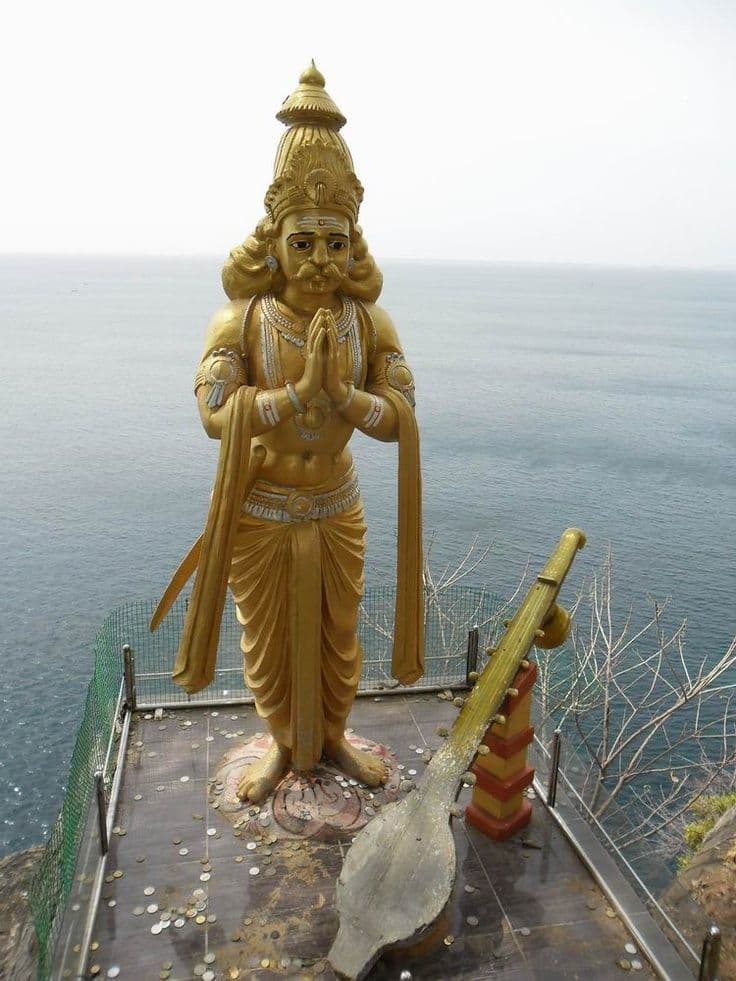
According to the Ramayana epic, this crack was created by King Ravana. The legend says that Ravana, a devout follower of Lord Shiva, was praying here. In his fervor, he struck the rock with his sword (or in some versions, tried to lift the entire mountain), creating the deep cleft you see today.
There is a small shrine here dedicated to Ravana one of the few places in Sri Lanka where the "villain" of the Ramayana is honored for his devotion.
A Temple Lost to the Sea
The temple you see today is actually quite new. The original Temple of a Thousand Pillars was a magnificent ancient structure that rivaled the greatest temples of India.
However, in 1622, the Portuguese colonizers destroyed the ancient temple, shoving its massive stone pillars and idols off the cliff into the ocean below. They used the remaining stones to build Fort Frederick.
For centuries, the temple was lost. It was only in the 1950s that the famous sci-fi author and diver Arthur C. Clarke discovered the ancient ruins, including the original Lingam stone, lying underwater at the base of the cliff. Today, the rebuilt temple stands proudly on the same sacred spot.
The Tragedy of Lover’s Leap
Walk past the temple to the very edge of the promontory, and you will find a sheer 350-foot drop straight down into the churning blue water. This is Lover’s Leap.
The story goes that in 1687, a Dutch officer’s daughter named Francina van Reed watched from this spot as her lover, a Dutch officer, sailed away back to Europe, abandoning her. Heartbroken, she flung herself from the rock into the sea.
A pillar still stands there recording the date: 24th April 1687. It is a hauntingly beautiful spot where the power of human emotion meets the raw power of nature.
Practical Guide for Visitors
1. The Dress Code is Strict This is an active Hindu temple.
- Men: You must remove your shirt before entering the inner shrine (you can keep it on in the outer courtyard).
- Everyone: You must remove your shoes. The ground can be scorching hot at noon, so bring socks if you have sensitive feet!
- Attire: Shoulders and knees must be covered. No mini-skirts or tank tops.
2. The Best Time to Visit
- Morning Puja (6:00 AM - 12:00 PM): Go early to hear the bells ringing, smell the incense, and see the vibrant rituals.
- Evening Puja (4:00 PM - 6:30 PM): This is the best time for photography. The golden light hits the temple beautifully, and the heat is manageable.
3. Respect the Monkeys The temple grounds are full of Grey Langurs. They look cute, but they are professional thieves. Keep your sunglasses, food, and water bottles hidden inside your bag!
Our Final Verdict
Standing at the edge of Koneswaram, with the smell of jasmine garlands in the air and the sound of the ocean crashing 400 feet below, is a spiritual experience. It doesn't matter what religion you follow—the energy of this place is undeniable.
Enjoyed this story? Share it
About the Author
Pasindu Bandara
A passionate coastal explorer and travel storyteller dedicated to uncovering the pristine beaches, vibrant coral reefs, ancient temple mysteries, and the rich maritime heritage of Trincomalee — the jewel of Sri Lanka's eastern coast.