Beyond the Beach: A Historical Walk Through Fort Frederick
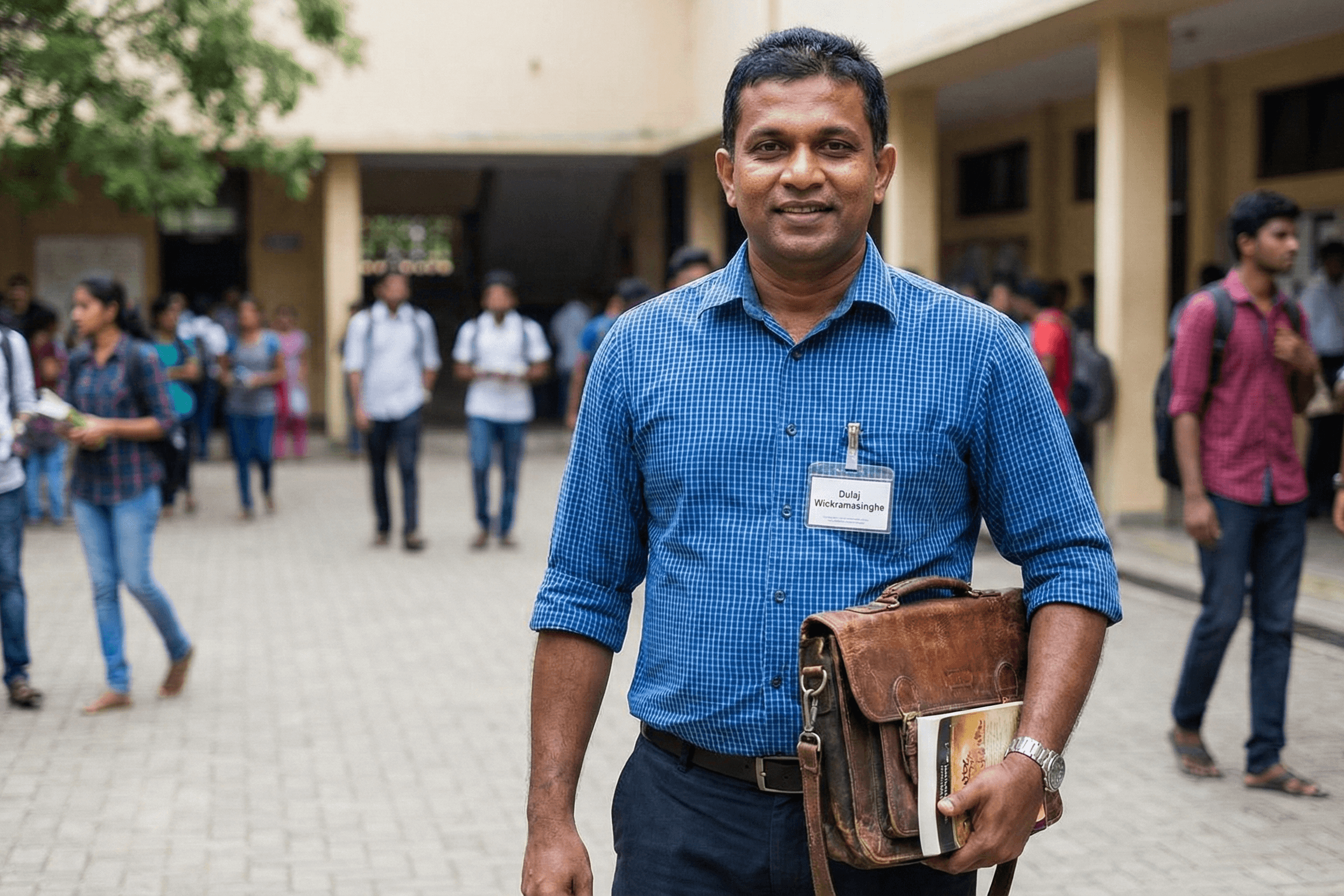
Dulaj Wickramasinghe
Travel Writer
When you think of Trincomalee, you think of blue water and white sand. But if you turn your back to the ocean and look towards the promontory known as Swami Rock, you will find a different kind of treasure.
Fort Frederick is more than just a pile of old stones. It is a living time capsule where three centuries of colonial history collide with modern Sri Lankan culture. It is one of the few places in the world where you can walk past an active military base, feed a wild deer, visit a Buddhist temple, and hike to a Hindu shrine all in a single kilometer.
If you need a break from the sunbed, this historical walk is the perfect afternoon adventure. Here is what you need to know before you enter the gates.
A Fortress of Three Nations
As you walk through the heavy stone archway, you are stepping into a story that began in 1623. The Portuguese built it first (calling it the Fort of Triquillimale), constructing it from the debris of the ancient Hindu temple they destroyed a tragic beginning.
Later, the Dutch captured it in 1639, rebuilt it, and renamed it Fort Frederick. Finally, the British took over in 1795 and held it until Sri Lankan independence.
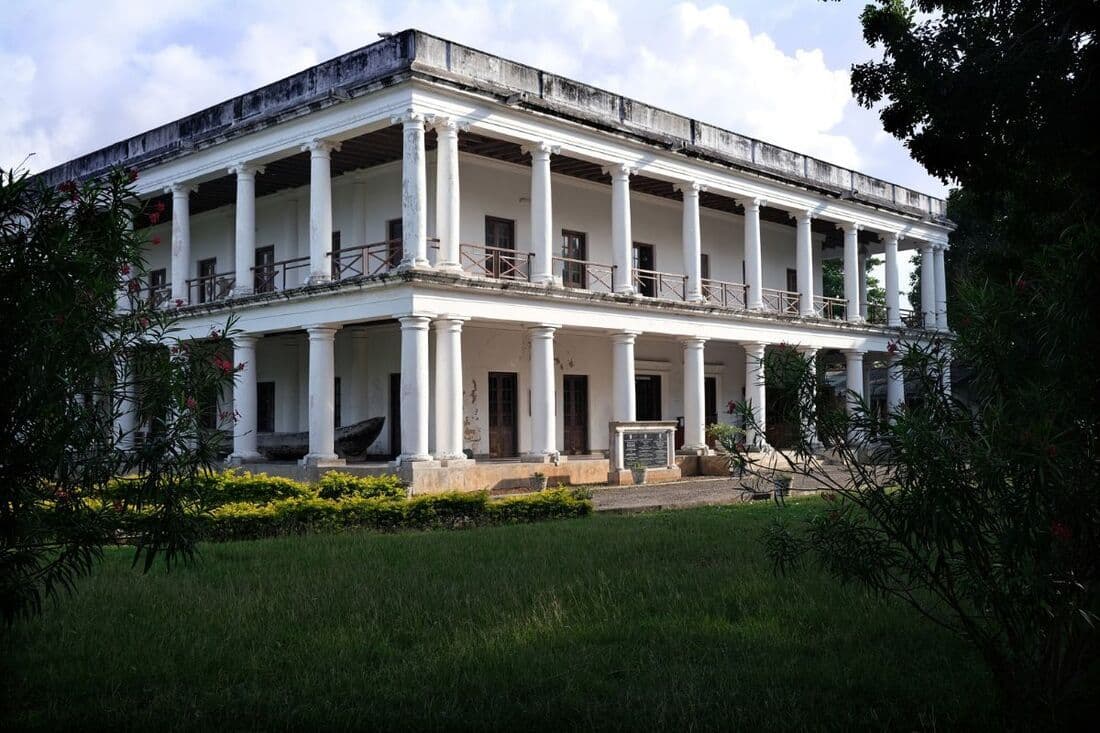
What to look for: As you walk up the shaded road, look at the buildings. You will see classic colonial architecture wide verandas, high ceilings, and the insignias of the British Crown. One highlight is the Wellesley House, named after the Duke of Wellington (the man who defeated Napoleon), who stayed here while recovering from illness.
Note: This is still an active military base for the Gajaba Regiment of the Sri Lankan Army. While visitors are welcome, you cannot enter the soldier's barracks or restricted offices. Stick to the main road!
The Residents: Trinco’s Famous Spotted Deer
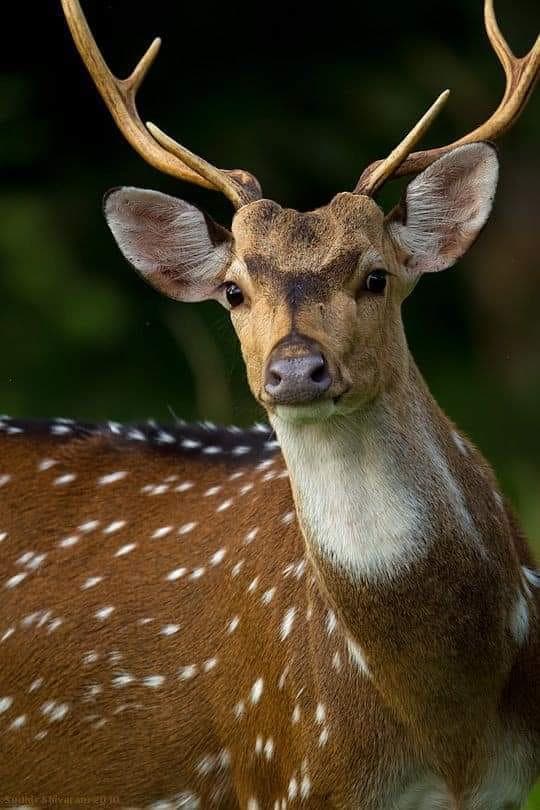
This is the part that surprises every traveler. You expect soldiers; you do not expect Bambi.
Fort Frederick is home to a massive population of Spotted Deer (Chital). They are not in cages; they roam freely across the cricket grounds, sleep under the massive Banyan trees, and even wander up to tourists looking for snacks.
Legend says the British brought them here for hunting practice, but today they are the beloved pets of the city. They are incredibly tame, making this a fantastic spot for photography.
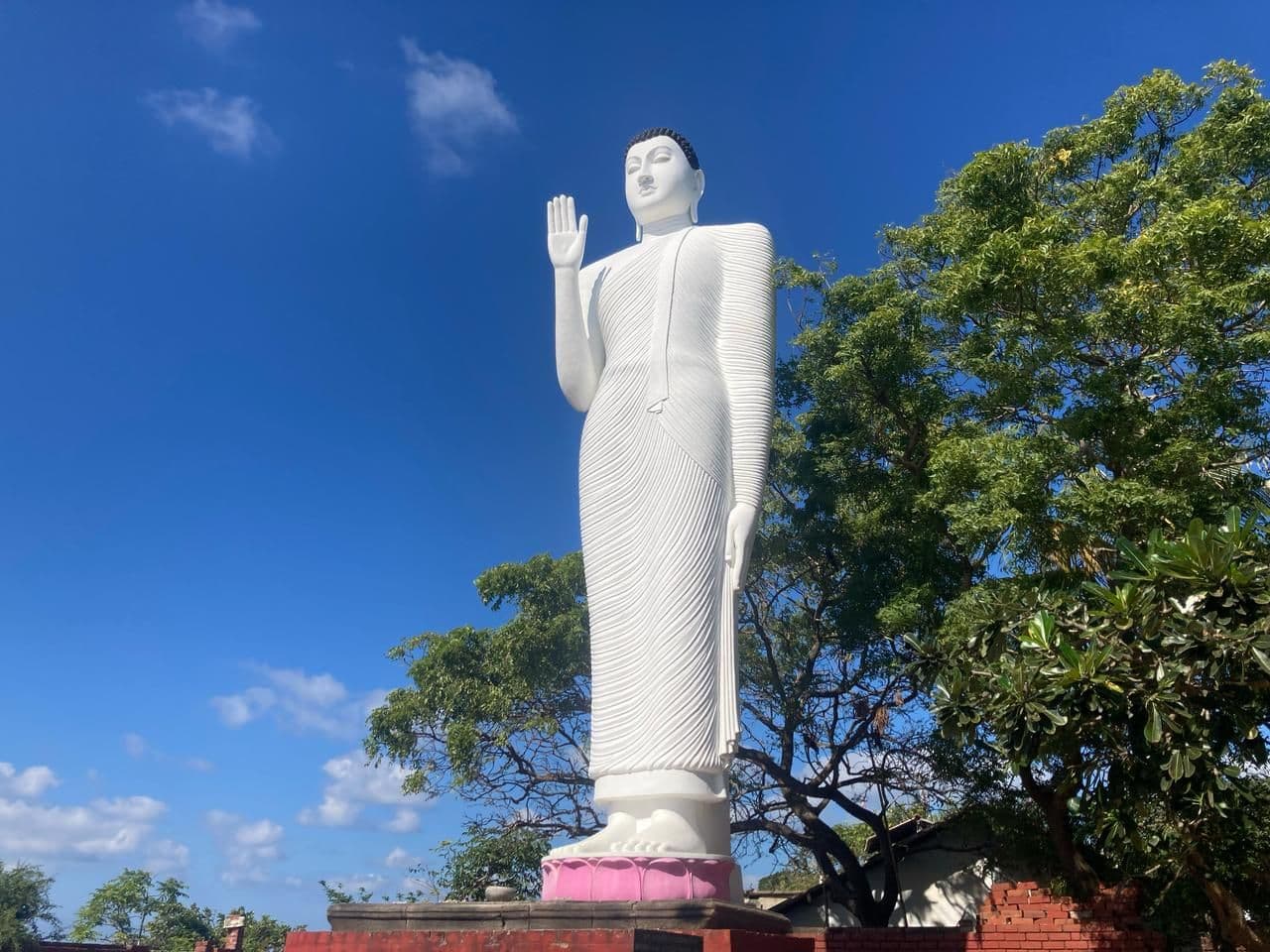
A Mix of Faiths: The Gokana Viharaya
Just a few hundred meters past the entrance, on your right, you will see a large white standing Buddha statue. This is the Gokana Raja Maha Viharaya.
It is a fascinating contrast. While the summit of the rock is dedicated to the Hindu god Shiva (Koneswaram), the entrance is guarded by this Buddhist temple. The views from the terrace here are spectacular, offering a panoramic sweep of the natural Trincomalee harbor the fifth largest natural harbor in the world.
Practical Tips for the Walk
1. Is it free? Yes! There is no entrance fee to walk into Fort Frederick.
2. How long is the walk? The walk from the gate to the Koneswaram Temple at the top is about 1km. It is a gentle uphill climb that takes about 20–30 minutes if you stop to take photos of the deer.
3. When is the best time to go? Go in the late afternoon (around 4:00 PM - 5:30 PM). The midday heat on the asphalt road can be brutal. In the evening, the deer are most active, the temperature is cooler, and the golden hour light filtering through the ancient Banyan trees is magical.
4. Can I drive in? Tuk-tuks and scooters are generally not allowed inside the fort unless you are elderly or disabled (though this rule is sometimes flexible). Be prepared to walk.
Our Final Verdict
Fort Frederick is the perfect "bridge" activity. It connects the bustle of Trincomalee town with the spiritual serenity of Swami Rock. Whether you are a history buff, a wildlife lover, or just someone who enjoys a good walk, this is a non-negotiable stop on your Trinco itinerary.
Enjoyed this story? Share it
About the Author
Dulaj Wickramasinghe
A passionate coastal explorer and travel storyteller dedicated to uncovering the pristine beaches, vibrant coral reefs, ancient temple mysteries, and the rich maritime heritage of Trincomalee — the jewel of Sri Lanka's eastern coast.